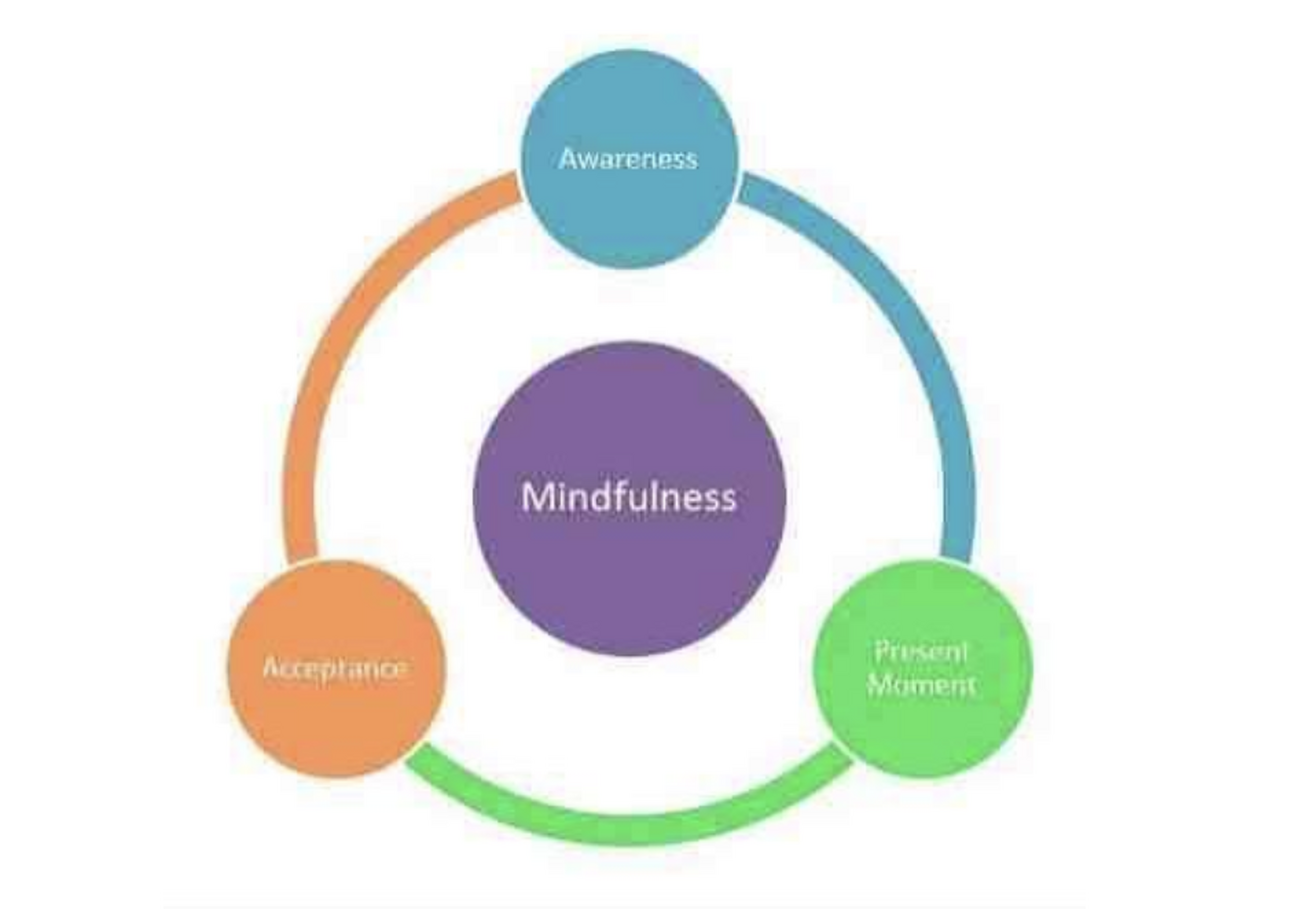
A new randomized trial in Mindfulness by Wardęszkiewicz, Holas, and Andersson—a Polish–Swedish research collaboration—assigned 170 adults with diagnosed mild-to-moderate depression to a six-week synchronous online MBCT group, guided asynchronous online MBCT, or a waitlist. Both active formats reduced depression relative to the waitlist, with improvements maintained at three-month follow-up. Participants also reported reductions in anxiety and rumination and increases in self-compassion and resilience. Mindfulness and cognitive defusion emerged as candidate mechanisms associated with improvement.
The two active formats did not differ significantly at post-treatment, but the study was not powered to establish that they were equivalent. Engagement was notably different: 72% of participants in the synchronous group completed the post-treatment assessment, compared with 54% in the asynchronous condition. People with severe depression, marked impairment, psychosis, bipolar disorder, or an acute crisis were excluded, limiting generalization to more complex or high-risk populations. The comparison condition was also a waitlist rather than another credible treatment.
Clinical Takeaway: Asynchronous MBCT should not be assumed to require little clinical support simply because it is flexible. It may be best suited to patients with good self-direction, predictable practice time, and comfort learning independently. Add onboarding, scheduled progress reviews, reminders, and troubleshooting when adherence begins to decline. A synchronous group may be preferable when accountability, modelling, normalization, and interpersonal connection are likely to support practice. These findings should not be extrapolated to severe depression or significant suicide risk without closer assessment and monitoring.