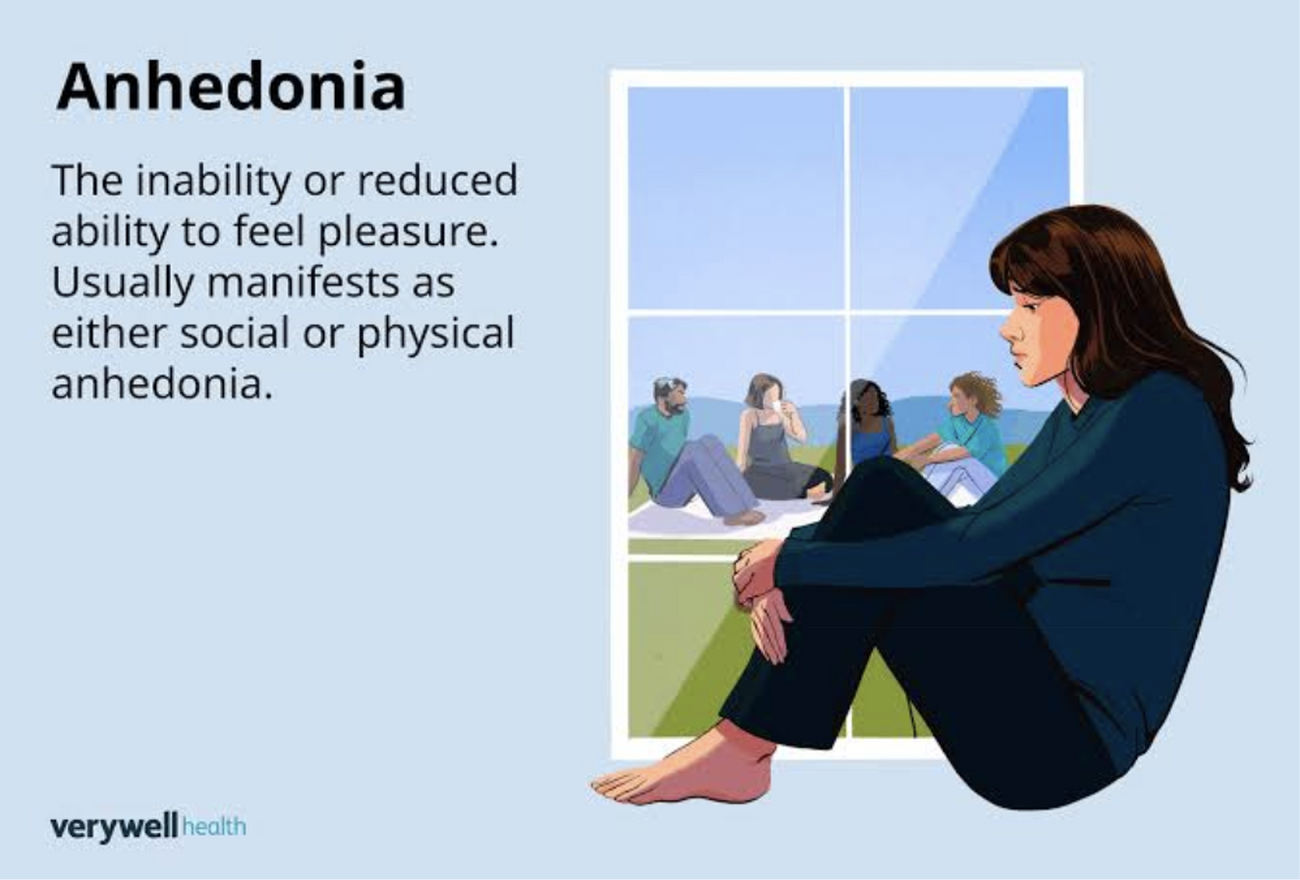
A new Journal of Mood & Anxiety Disorders study by Sapperstein, Thai, Ang, and Pizzagalli examined how anhedonia (reduced interest or pleasure) relates to quality of life and reward learning in a large online adult sample. The study included 478 participants who completed anhedonia questionnaires, quality-of-life measures, depression ratings, and an online Probabilistic Reward Task designed to test whether people gradually learn to favor a more frequently rewarded option. The authors found that higher anhedonia was associated with lower quality of life, and that people with elevated anhedonia showed a weaker tendency to shift toward the more rewarded choice. These reward-learning differences appeared more tied to anhedonia specifically than to lifetime history of major depression.
Clinical Takeaway:
- Assessment:
Consider assessing anhedonia directly rather than treating it as only a general depression symptom.
Patients who report reduced pleasure may also have difficulty noticing, responding to, or learning from rewarding experiences so it is worth carefully tracking scheduled BA activities to see if they are being performed and if they are progressively increasing pleasure.
Self-report tools such as the SHAPS may also be useful, especially when paired with clinical ratings and posed questions about whether patients experience pleasure during activities, not just whether they feel motivated to start them.
- Treatment: The findings also suggest that treatment may need to target specific reward-process deficits.
Deliberate tracking of positive experiences in BA helps make rewards more noticeable for depressed patients.
For patients who continue to struggle to feel pleasure in the moment, strategies such as paying mindful attention during pleasant activities and doing savoring exercises can heighten the present moment.
If scheduled BA activities persist in not increasing pleasure or mastery despite your attempts, it may be time to pivot and consider new positively reinforcing activities.
Keeping in mind that this was an online community study using self-reported diagnoses, so the results should be viewed as support for more targeted assessment and future clinical research rather than as a stand-alone treatment recommendation.
Article: Anhedonia and altered reward responsiveness: Relations to psychosocial functioning — https://doi.org/10.1016/j.xjmad.2026.100169